Baby Led Weaning Meals: 8 Calm Family Ideas
The spoon gets batted away again. Your baby reaches for the sweet potato on your plate, dinner is cooling, and you're wondering whether you really need to prepare something separate. These baby led weaning meals offer soft, grippable versions of family foods, with practical ways for parents, partners, grandparents, nannies, and daycare to serve them consistently.
Baby-led weaning means offering suitable foods for babies to feed themselves. Readiness includes sitting upright with support, steady head control, and coordinated reaching and grasping. You don't have to choose between finger foods and spoon-feeding, either. The American Academy of Pediatrics' guidance on baby-led weaning allows for a flexible approach that fits your baby's development.
Keep the family meal, change the preparation. Sharing dinner doesn't mean serving your baby the same texture or shape as everyone else.
Think beyond a tray of vegetables. A useful meal pattern combines an iron-rich food, an energy source, and fruit or vegetables, adapted to your baby's skills. Start with small portions, offer more when wanted, and let your baby explore without pressure.
The meals below are starting points, not promises that every baby will enjoy every food. For questions about readiness, allergens, feeding difficulties, or your child's nutritional needs, check with your pediatrician or lactation professional.
Table of Contents
- 1. Dinner Feels Messy and Mealtime Stressful? Try Soft Sweet Potato Spears
- 2. Want Protein Without Extra Work? Try Soft Scrambled Eggs and Egg Strips
- 3. Short on Time for Breakfast? Try Banana and Oat Pancake Bites
- 4. Fussy About Fish? Try Flaked Salmon with Soft Rice
- 5. Dinner Needs to Work for Everyone? Try Shredded Chicken and Veggie Quesadilla Strips
- 6. Need a Make-Ahead Lunch for Daycare? Try Soft Pasta Spirals with Peas and Cheese
- 7. Want a Plant-Based Protein Option? Try Lentil and Sweet Potato Patties
- 8. Only Have Leftovers Tonight? Try a Build-Your-Own Soft Rice Bowl
- 8 Baby-Led Weaning Meals at a Glance
- Keep Mealtimes Shared and Easy to Track
1. Dinner Feels Messy and Mealtime Stressful? Try Soft Sweet Potato Spears
Sweet potato spears are a straightforward way to share a family side dish. Steam or roast them until very tender, then serve thick, graspable sticks after they've cooled to a comfortable temperature. You can skip the separate purée without skipping the texture check.
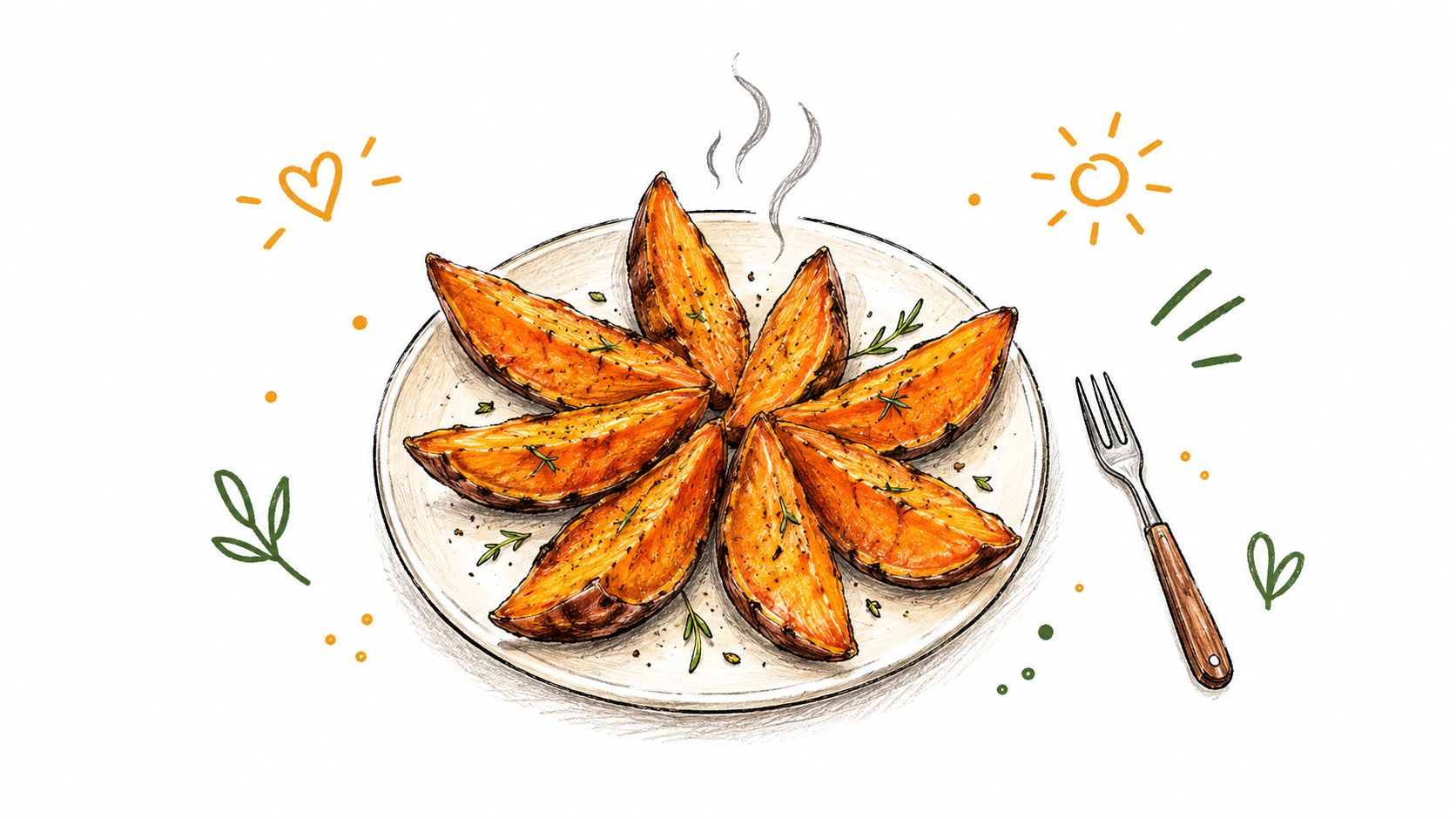
Check the center, not just the edges. A browned exterior can hide a firm middle, and a dry roasted crust may need removing. The piece should mash easily with gentle pressure between your thumb and finger.
Make the spear part of dinner
Sweet potato alone isn't the whole meal. Pair it with moist shredded chicken or mashed lentils, plus an energy source such as avocado. The BLISS research on iron intake supports deliberately including iron-rich foods rather than relying on an assortment of finger foods.
For a household sharing cooking duties, one partner could roast the vegetables while the other prepares the chicken. A daycare serving the same combination can adapt the chicken's texture for each child rather than assuming every child manages identical pieces.
- Start small. Put a little food on the tray and replenish it as your baby shows interest.
- Describe the preparation. Note “steamed until mashable,” rather than “sweet potato.”
- Share what happened. In Cradlo's solids notes, record what was offered and any observed response without diagnosing a reaction.
Use the baby feeding chart for solids to organize your family's routine, while taking individual timing and allergen questions to your pediatrician. A useful record supports the next caregiver; it doesn't need to document every dropped bite.
2. Want Protein Without Extra Work? Try Soft Scrambled Eggs and Egg Strips
Eggs fit the mornings when you're making breakfast with a baby on your hip and someone looking for their keys. Soft scrambled curds work for some babies, while omelet strips give others something easier to grasp. Choose the form your baby can manage, not the one that looks neatest.
Cook eggs until fully set while keeping the texture soft. For omelet strips, avoid browned, leathery edges and cut pieces longer than they are wide. Check the temperature before serving, especially after reheating.
Match the shape to the eater
Loose scrambled eggs can be frustrating for a baby who's still learning to pick food up. An omelet may hold together better, but it shouldn't be rubbery. If neither works comfortably, mashed or spoon-fed food can remain part of breakfast.
For example, a grandparent making family breakfast could set aside soft egg before adding adult toppings. Well-cooked, mashed peas can go alongside it, with avocado or another suitable family food completing the plate.
- Record the ingredients. If the omelet contains milk or cheese, include those details rather than logging only “egg.”
- Keep preparation consistent. Tell a nanny whether your baby managed strips or preferred soft curds.
- Include family flavors. A Spanish-speaking household might enjoy finely chopped cilantro or a little suitable soft cheese, without needing a separate “baby cuisine.”
The handoff matters as much as the recipe. A note that says “picked up strips, left most of them” is more useful than “good breakfast.” It tells the next caregiver what happened without making appetite a score.
The British Dietetic Association's complementary-feeding guidance emphasizes suitable finger-food preparation and iron-rich choices. Ask your pediatrician how egg introduction fits your child's individual allergen plan.
3. Short on Time for Breakfast? Try Banana and Oat Pancake Bites
A freezer batch can make breakfast simpler, but only if the pancakes stay soft after reheating. Mash ripe banana with oats and egg, then cook small pancakes until the egg is fully cooked. There's no need to add sugar to this version.

Despite the name, “bites” don't have to mean tiny pieces. Serve a soft strip or another developmentally appropriate shape your baby can grasp. Break open a pancake and check that the middle isn't gummy and the edges aren't crisp.
A make-ahead breakfast only saves work if the next caregiver knows how to prepare and serve it.
Label the recipe, not just the container
For example, a parent could freeze a batch for weekday breakfasts and leave the same recipe with a grandparent. That avoids accidental changes when another caregiver makes the next batch, particularly if ingredients are still being introduced.
Let pancakes cool before freezing in a labeled container. Reheat thoroughly, then cool to a comfortable serving temperature and check the texture again. A pancake that was soft straight from the pan may become dry after reheating.
Banana and oats are a convenient base, not a reason to forget the rest of breakfast. Consider a suitable iron-rich food and an energy-rich accompaniment within your baby's established routine. If using nut butter, spread it thinly rather than offering a thick dollop.
In the shared log, distinguish “offered pancake” from “ate some pancake.” Daycare staff don't need to estimate an exact amount to leave a helpful observation. For additional family breakfast combinations, browse these breakfast ideas for an older baby, adapting textures to your child rather than copying a plate by age alone.
4. Fussy About Fish? Try Flaked Salmon with Soft Rice
Fish doesn't need to arrive as a large piece on the tray. Fully cooked salmon can be flaked into soft rice or mashed potato, making it easier to include in the dinner everyone else is eating. Keep the mixture moist rather than dry and crumbly.
Set aside the baby's portion before adding salty sauces or adult toppings. Flake it carefully and check for small bones, even when the package describes the fish as boneless. The CDC's guidance on introducing solid foods highlights both suitable textures and the need to adapt foods to a child's development.
Don't force a finger-food format
Salmon and rice may fall apart when your baby tries to lift them. That's a practical limitation, not a feeding failure. A suitable spoon or some caregiver-supported feeding can sit alongside opportunities to self-feed.
For a shared dinner, partners could cook a salmon fillet, reserve a plain portion, and add sauces at the table. A nanny serving the leftovers should receive the preparation details, not just the instruction “fish for lunch.”
- Check thoroughly. Look and feel for bones as you flake the cooked fish.
- Keep it soft. Mix with moist rice or mashed potato instead of pressing it into a firm, compact ball.
- Add variety. Serve soft-cooked vegetables alongside the fish mixture.
- Log the actual food. Write “salmon with rice,” including any added ingredients and observed response.
If your baby ignores the salmon, avoid turning the meal into a tasting test. Record what was offered and leave room for another opportunity. Questions about introducing fish, possible reactions, or repeated difficulty managing the texture belong with your pediatrician, not an app entry alone.
5. Dinner Needs to Work for Everyone? Try Shredded Chicken and Veggie Quesadilla Strips
Quesadillas can bring everyone to the same dinner, but a crisp restaurant-style tortilla isn't the texture to aim for here. Use moist, finely shredded chicken and very soft vegetables in a tortilla that stays flexible. Warm it enough to hold together without creating a hard shell.
A grandparent preparing family quesadillas could reserve a lightly filled portion for the baby. At daycare, mashed beans and a little cheese offer another version, with steamed carrot served soft enough to mash.
Check the tortilla and the filling
A soft filling doesn't make a chewy tortilla suitable. Try pulling and pressing a cooled strip before serving. If the tortilla becomes tough or the filling forms a dense lump, serve the components separately in appropriate forms.
- Warm before folding. A flexible tortilla is easier to prepare without cracking.
- Keep filling modest. Avoid thick pockets of chicken or stretchy clumps of cheese.
- Mash beans well. Choose no-salt-added beans or rinse canned beans, then adapt their texture.
- Share the preparation. Note whether the tortilla was served or whether baby had the filling separately.
Whole beans and large cheese pieces need particular attention; the NHS safe-weaning guidance on foods to avoid reinforces that shape and texture matter alongside ingredient choice.
In Spanish-speaking families, use the familiar family name for the dish and share that name with other caregivers if helpful. The connection comes from eating together, not from making the baby's plate look identical to everyone else's.
A useful handoff might say “soft chicken and mashed beans offered separately; tortilla too chewy today.” That gives the next caregiver something concrete to work with, without labeling the baby as fussy.
6. Need a Make-Ahead Lunch for Daycare? Try Soft Pasta Spirals with Peas and Cheese
Packing lunch adds another texture question: what will the food be like when daycare serves it? Pasta that feels tender at dinner may become firmer or stick together later. Cook spirals until very soft, and ask staff to check them at serving time.
Mash the cooked peas rather than leaving them firm and round. Add a little finely grated cheese, and keep the pasta moist enough that it doesn't form a sticky clump. Pack perishable food with an ice pack and follow the daycare's storage and reheating procedures.
Include an iron-rich companion
Pasta, peas, and cheese are a practical starting point, but don't assume the combination covers every nutritional priority. Add a suitable iron-rich component, such as mashed lentils or moist shredded meat, within your child's usual foods.
The WHO's infant and young child feeding guidance emphasizes increasing food variety as children develop. In practice, that means looking beyond whether the lunchbox contains a familiar food.
For example, a working parent could set aside very soft pasta from family dinner before adding salt. Daycare staff could then serve the pasta, mashed peas, and accompanying protein separately if that's easier for the baby to manage.
Useful handoff detail: Record what was served and what was tried separately. An empty container doesn't explain which food your baby ate.
Share the day's menu and observations in Cradlo rather than relying on a rushed pickup conversation. This daycare summary guide can help caregivers organize those notes.
Keep the record descriptive: “tried pasta, left peas, needed pasta separated.” That's more actionable than “didn't like lunch,” and it gives parents a clearer starting point for dinner without pressuring anyone to compensate for a particular meal.
7. Want a Plant-Based Protein Option? Try Lentil and Sweet Potato Patties
Lentil patties work best when they're tender enough to break apart, not when they hold together like a firm burger. Cook lentils until very soft, mash them with cooked sweet potato, and add just enough oat flour to make the mixture manageable. Bake or gently pan-cook without developing a hard crust.
These are useful for vegetarian households and for families who want another shared dinner option. Shape them so your baby can grasp the serving, adapting it to their current skills rather than insisting on neat little rounds.
Keep the inside soft
Too much flour can make a patty dry or dense. Too little structure can leave it crumbling before it reaches the tray. Test a cooled piece and adjust the mixture before making the whole batch.
- Mash thoroughly. Leave no firm lentils or hard vegetable pieces.
- Test after reheating. Frozen patties may need a little moisture when served.
- Freeze separately. Place cooled patties on a tray before transferring them to a labeled container.
- Complete the meal. Add an energy-rich food and suitable produce, including a vitamin-C-rich choice alongside plant-based iron.
The WHO's review of complementary-feeding approaches describes the value of structured, nutrient-aware meals rather than arbitrary finger-food combinations. For plant-based family meals, the practical priority is keeping the iron-rich ingredient visible in the plan.
For example, a household could freeze patties for both the baby and older siblings. A nanny serving them later could record whether the baby managed strips, needed a softer presentation, or mostly explored the food.
Ask your pediatrician about concerns involving digestion, iron intake, or a vegetarian or vegan feeding pattern. A meal log can support that conversation, but it can't establish nutritional adequacy.
8. Only Have Leftovers Tonight? Try a Build-Your-Own Soft Rice Bowl
Leftovers can become a shared dinner without becoming a mixed bowl your baby has to manage. Arrange soft rice, moist shredded chicken or suitable tofu, and soft-cooked vegetables in separate small piles. Your baby can explore the components, and you can see what was tried.
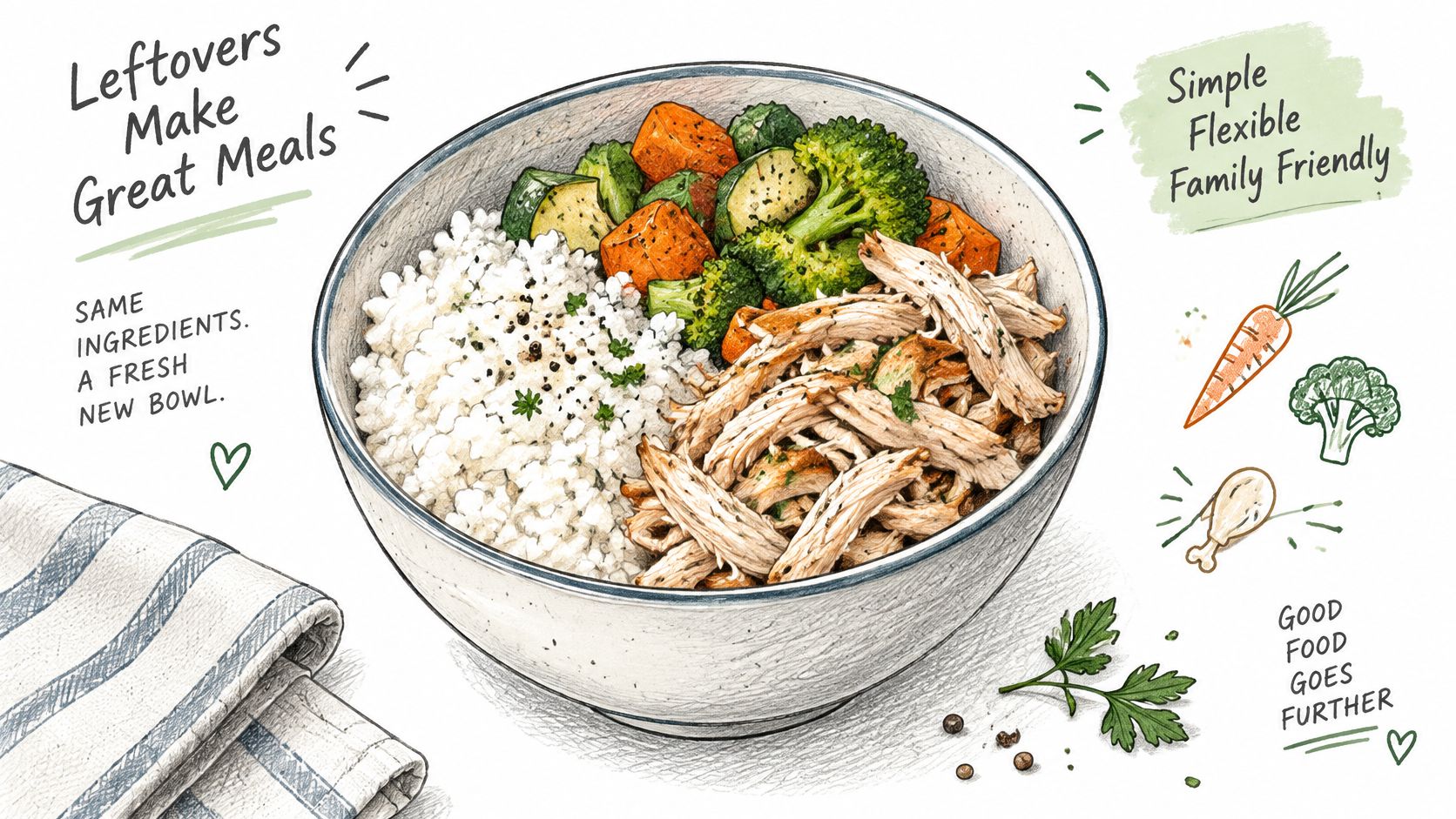
Use leftovers you've stored safely. Cool cooked rice promptly, refrigerate it without leaving it sitting out, and follow applicable food-storage guidance. Reheat thoroughly, then let the baby's portion cool before serving.
Keep choices manageable
A busy plate isn't necessarily a better plate. Offer a small selection and add more when wanted, keeping sauces and adult toppings separate. Rice can be offered with a suitable spoon if loose grains are frustrating.
For example, partners sharing dinner duties could prepare rice, shredded chicken, and very soft carrot sticks. A daycare could use tofu and steamed broccoli instead, recording the components each child explored.
- Name the protein. “Rice bowl” doesn't tell the next caregiver whether chicken, tofu, or beans were offered.
- Describe the vegetables. Record the cooked texture and serving shape when that information helps.
- Note preferences lightly. “Reached for broccoli” is an observation, not a permanent favorite.
- Keep supervision direct. A shared record never replaces an adult watching the meal.
The NHS guidance on baby-led weaning and seating recommends that babies be alert, safely upright, and supervised while eating.
Use Cradlo to note which components your baby tried and how the preparation worked. The next caregiver can build on that information without feeling obliged to recreate the whole dinner.
8 Baby-Led Weaning Meals at a Glance
| Baby-Led Weaning Meal | 🔄 Preparation Complexity | ⚡ Resources and Time | 📊 Expected Outcome | 💡 Ideal Use Case | ⭐ Key Advantages |
|---|---|---|---|---|---|
| Soft sweet potato spears | Low; roast or steam until very tender, then cut into finger-width sticks | Few ingredients; batch-friendly | Soft, naturally sweet food for self-feeding | Shared family dinners or make-ahead portions | Easy to prepare and pair with other soft foods |
| Soft scrambled eggs or egg strips | Low; cook fully and serve as soft curds or strips | Minimal ingredients; quick to cook | Soft, grippable protein option | Busy breakfasts or quick meals | Fast to prepare and easy to combine with vegetables |
| Banana and oat pancake bites | Moderate; mash, mix, cook, and optionally freeze | Banana, oats, and egg; batch-friendly | Soft, portable breakfast bites | Daycare, travel, or make-ahead breakfasts | No added sugar needed; freezes well |
| Flaked salmon with soft rice | Moderate; cook fish, check carefully for bones, and flake | Salmon plus rice, quinoa, or potato; leftovers can work | Soft fish and grain combination | Family dinners adapted for baby | Provides an easy way to share a family fish meal |
| Chicken and veggie quesadilla strips | Moderate; cook filling, warm tortilla, and cut into strips | Chicken or beans, soft vegetables, and tortilla | Handheld shared meal with flexible fillings | Lunch or family dinners | Adaptable, familiar flavors, and vegetarian option available |
| Soft pasta spirals with peas and cheese | Low; cook pasta and peas until very soft | Inexpensive ingredients; batch-friendly | Packable meal with soft textures | Daycare lunches or quick family dinners | Easy to prepare in quantity and serve at room temperature |
| Lentil and sweet potato patties | Moderate; cook, mash, shape, and bake or pan-fry | Lentils, sweet potato, and oat flour; freezer-friendly | Soft plant-based protein in a graspable shape | Vegetarian meals or batch cooking | Meat-free, batch-friendly, and suitable for mixed households |
| Build-your-own soft rice bowl | Low to moderate; assemble safe, soft leftovers in separate sections | Uses available rice, protein, and vegetables | Flexible meal that offers varied foods to explore | Busy evenings or mixed-age households | Reduces extra cooking and adapts to family preferences |
Keep Mealtimes Shared and Easy to Track
Start with a couple of ideas that already fit your family dinner. Sweet potato alongside chicken, egg strips at breakfast, or a soft rice bowl from suitable leftovers can be enough to begin. You don't need a freezer full of special recipes before your baby can join the table.
Offer small portions and leave room for more. Your job is to prepare suitable food and provide attentive supervision, not to make every plate disappear. A meal that involves touching, tasting, and leaving food behind still gives you useful information about what to offer next.
Share the details that change the next meal
Parents, partners, grandparents, nannies, and daycare don't need identical cooking styles. They do need a shared understanding of the textures your baby currently manages and any professional guidance your family is following. Keep preparation notes short enough for another caregiver to read them.
- Food offered. Name the components, including the iron-rich food and relevant ingredients.
- Preparation used. Note soft strips, mashed beans, shredded meat, or another useful description.
- Response observed. Separate reaching, tasting, swallowing, refusing, and any concerns rather than reducing the meal to “good” or “bad.”
- Next handoff. Mention what's prepared, what needs adapting, and what questions remain.
A photograph can help explain a serving shape, but it can't show whether food is soft enough. Likewise, a record that a food was previously offered doesn't guarantee a future serving will be managed comfortably. Check the actual food at every meal, especially after chilling or reheating.
Let the record support care, not judge it
Cradlo keeps solids notes in a shared timeline so caregivers can see the same history without reconstructing meals through extra texts. English and Spanish support can also help families coordinate across preferred languages. Keep entries factual and brief rather than treating the log as a scorecard.
For questions about timing, allergens, textures, gagging, or feeding difficulties, check with your pediatrician. A lactation professional can help with questions about breastfeeding alongside solids. Ask for clear guidance that every caregiver can follow, including what to do if a concern occurs.
Consistency doesn't mean serving the same food every day or following baby-led feeding exclusively. It means sharing useful information, adapting family foods thoughtfully, and giving your baby room to learn. Cradlo offers a 7-day free trial on the monthly plan only, with no free plan, so your household can try the shared timeline in its everyday routine.
Keep your baby's food notes, preparation details, and caregiver observations together with Cradlo. Invite your partner, grandparent, nanny, or daycare to share the same timeline, then use the next family meal to record what was offered, how it was served, and what your baby tried.